Review: BIC Atlantis Exact, Ballpoint, 0.7mm

img_3478

Well, BIC has surprised me for the second time in recent weeks.  Maybe we can chalk it up to some planetary alignment or the level of the tides, but either way, the BIC Atlantis Exact is a pretty solid ballpoint pen. Overall, it’s smooth, comfortable, and is a very consistent writer.

It’s not perfect, of course. The all-plastic pen comes across a little cheap in ways that similarly priced pens don’t. On closer inspection, even its “metal” tip seems to simply be just a shiny piece of plastic. It could also stand to have a stronger (metal) clip, and it would be nice to see it hold a bit more ink.

img_3479

Regardless, the Atlantis Exact has a “pros” list that can’t be ignored. It has a grip that runs almost the entire length of the barrel, the ink doesn’t blob or smear, and it puts down nice, fine lines. I wouldn’t exactly jump at the chance to use one of these pens, but I wouldn’t be disappointed to pull one out of a supply closet either.

img_3477

Extra Links

Review: InkWorks BB-8 Projector Pen, Ballpoint, 1.0mm

img_3459

I don’t typically write reviews for novelty pens, but I’ve made an exception for this one, the InkWorks BB-8 Projector Pen. The reason is mainly because Star Wars: The Force Awakens was a very fun movie, and I really just wanted an excuse to buy this pen. After all, everybody loves the new BB-8 droid, and its orange and white color scheme looks great on a pen.

As far as novelty pens go, the InkWorks Projector Pen is about what you would expect. While novelty pens can be fun items own and make good souvenirs, a good writing experience typically isn’t in the cards. Indeed, the BB-8 Projector Pen has an uncomfortable ridge in its mid-section, it’s top-heavy, and it uses mediocre ballpoint ink. As far as I can see, there’s also no easy way to replace the ink, and even the retracting mechanism, which requires twisting the tip of the pen, is a little annoying to use.

img_3456

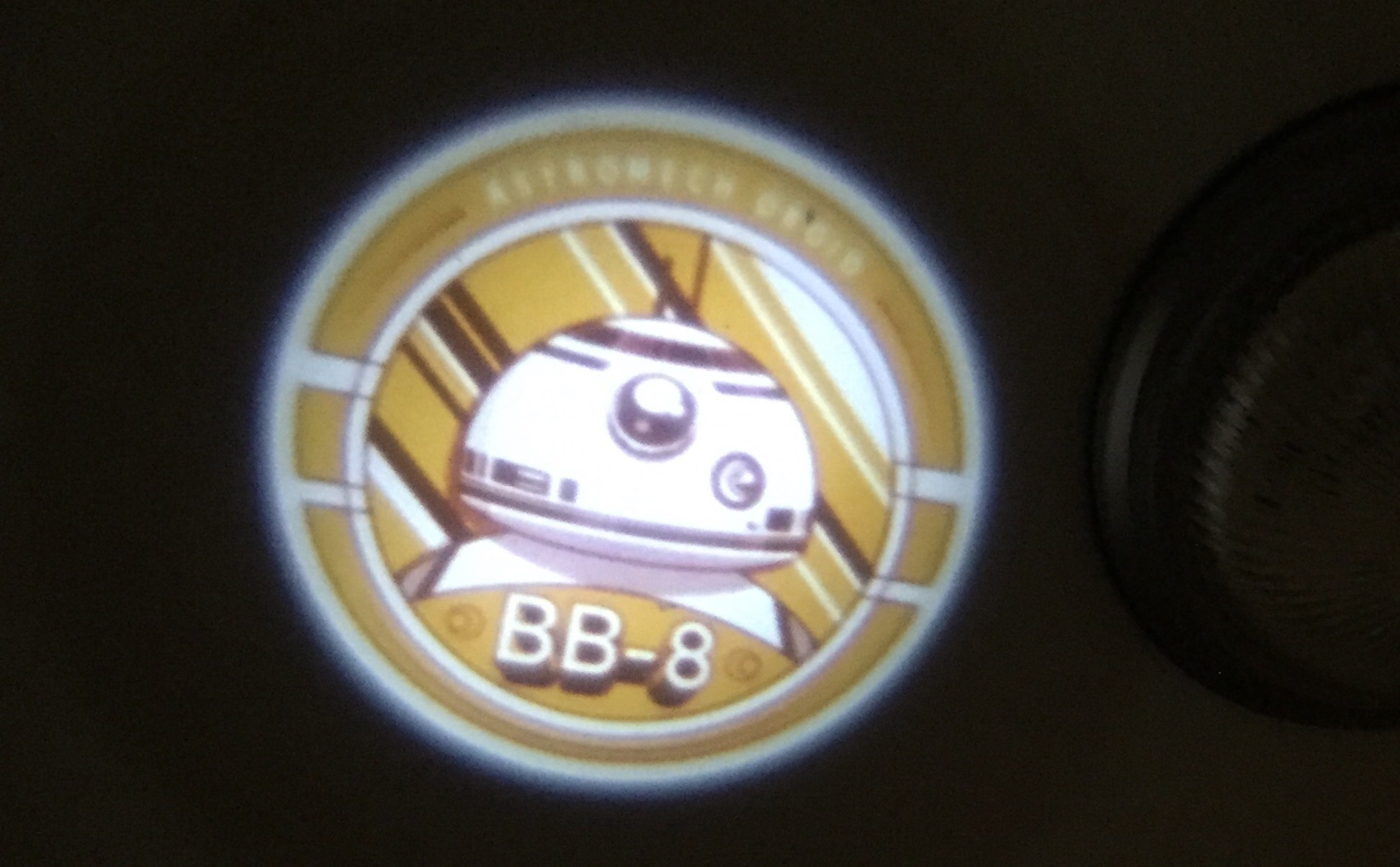
To add to the novelty, an image of BB-8 is projected from the top of the pen when a button on the barrel is held down. It’s a neat feature, I guess, but one that also gets old pretty fast. I suppose this adds some function as a mini-flashlight, but I’m not sure if it’s possible to replace the battery, greatly limiting its usefulness.

At under five dollars, the InkWorks BB-8 Projector Pen is not expensive for a Star Wars memento. However, you will be disappointed if you’re actually planning on using this pen, as you can find a better pen at any convenience store for a fraction of the price. Personally, I’m happy to have it sitting in a cup with my other novelty pens, though I doubt I’ll ever pick it up again.

img_3458

P.S. It looks like InkWorks make the same Projector Pen in a lot of different styles, from Angry Birds to The Walking Dead. However, I’m happy to only have the BB-8 version.

Review: BIC Intensity, Porous Point, 0.5mm

img_3369

To date, one of my favorite pens has been the Sharpie Pen. It’s relatively inexpensive, comfortable to write with, and it has a porous point tip that delivers crisp, clear lines. Every other porous point pen has had to measure up to the Sharpie Pen, and many, like the Sakura Pigma Micron and the Staedtler Triplus Fineliner, have come very close. But for one reason or another, I always go back to the Sharpie Pen.

And then there was the BIC Intensity.

img_3365

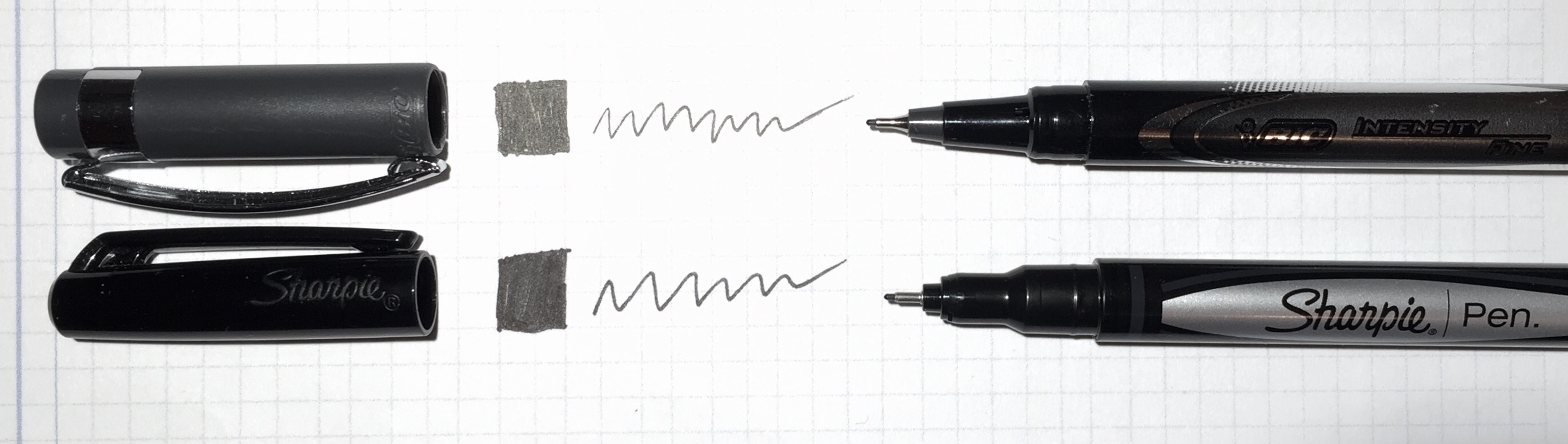
It’s not that the BIC Intensity is much different from the sharpie Pen. In fact, it’s very similar in most ways. The length and thickness are about the same, they are both fully disposable, and they both contain a nice-quality ink (perhaps the Sharpie Pen’s ink is even a bit darker). But the Intensity edges out the Sharpie Pen for one reason; it has a more durable build.

Holding the two pens together, it’s easy to see and feel. The BIC Intensity has a thicker cap with a metal clip. The plastic construction seems harder, and it feels ever-so-slightly heavier. All of this makes the Intensity better for throwing in a pocket, backpack, or bag – perhaps only slightly, but enough to make a noticeable difference.

I still like the Sharpie Pen, and I have no doubt that I’ll continue to use and recommend it. However, it’s the BIC Intensity that I’ll reach for first.

img_3366

Extra Links

  • Rhonda Eudaly’s review points out that the porous tip will break down over time. Though, that’s true for all of these porous point pens.
  • A review at Well Appointed Desk shows off some of the colors. Also, she has a paragraph at the end about why you might choose the Intensity over the Sakura Pigma Micron or Sharpie Pen, but overall she says the performance is very comparable.
  • My favorite line from the Pen Addict review: “Overall, there aren’t any standout negatives, which is a rarity coming from Bic.”


Review: Fisher Cap-O-Matic Space Pen, Ballpoint, 1.0mm

img_3388

Perhaps you’ve heard this story of the Space Pen:

During the space race of the 1960s, NASA quickly realized that a standard ballpoint pen would not work in space, as it relies on gravity to function properly. So, after spending millions and millions of dollars, they developed the Space Pen.

The Russian cosmonauts were faced with the same problem. They just used a pencil.

It’s an interesting story about government waste, bureaucratic incompetence, and the elegance of a simple solution. Of course, the story is mostly a myth.

In truth, NASA did originally use pencils in space – both wood-case and mechanical – but they were worried about the tiny bits of eraser, graphite, and wood shavings. All this detritus would float around the spacecrafts’ cabins, potentially damaging sensitive electronics and creating a fire hazard. Then in 1965, Paul C. Fisher  approached NASA with an invention; a ballpoint pen with a pressurized ink cartridge. After testing it for a couple of years, NASA agreed to use the Space Pen, paying Fisher six dollars per unit.

img_3389

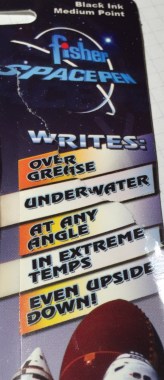
Today you can buy the Fisher Space Pen in several different models and styles, such as this Cap-O-Matic version with a tiny space shuttle embossed in the middle of the barrel. It’s on the small side, comparable in size to the Zebra F-301, making it a pen that’s not particularly comfortable to write with for long periods of time. However, the pressurized ink definitely has advantages that aren’t offered by many other pens. Writing upside-down or against walls is the obvious one, but it also works well for writing on glossy, dirty, or even wet paper.

While I’m not personally inclined to pick up the Fisher Cap-O-Matic Space Pen on a regular basis, it will definitely come in handy during travel. Those who spend a lot of time outdoors will also find a pen like this incredibly useful. It’s got a solid build, and it’s definitely worth the 10 or 20 dollars it costs today. At the very least, people will be impressed that you have the pen that (supposedly) cost NASA millions of dollars to make.

img_3390

Extra Links

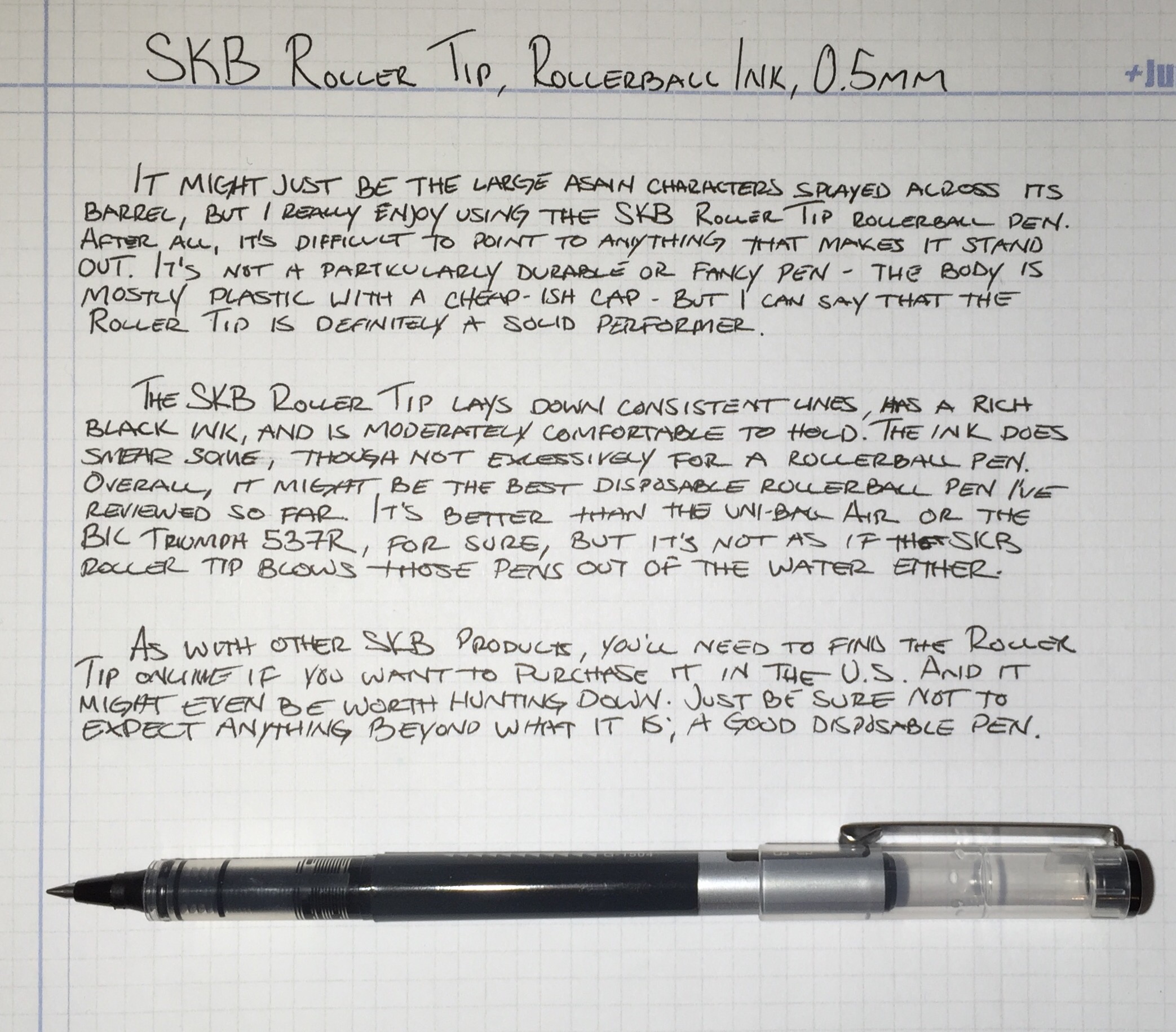
Review: SKB Roller Tip, Rollerball Ink, 0.5mm

img_3363

It might just be the large Asain characters splayed across its barrel, but I really enjoy using the SKB Roller Tip rollerball pen. After all, it’s difficult to point to anything that makes it stand out. It’s not a particularly durable or fancy pen – the body is mostly plastic with a cheap-ish cap –  but I can say that the Roller Tip is definitely a solid performer.

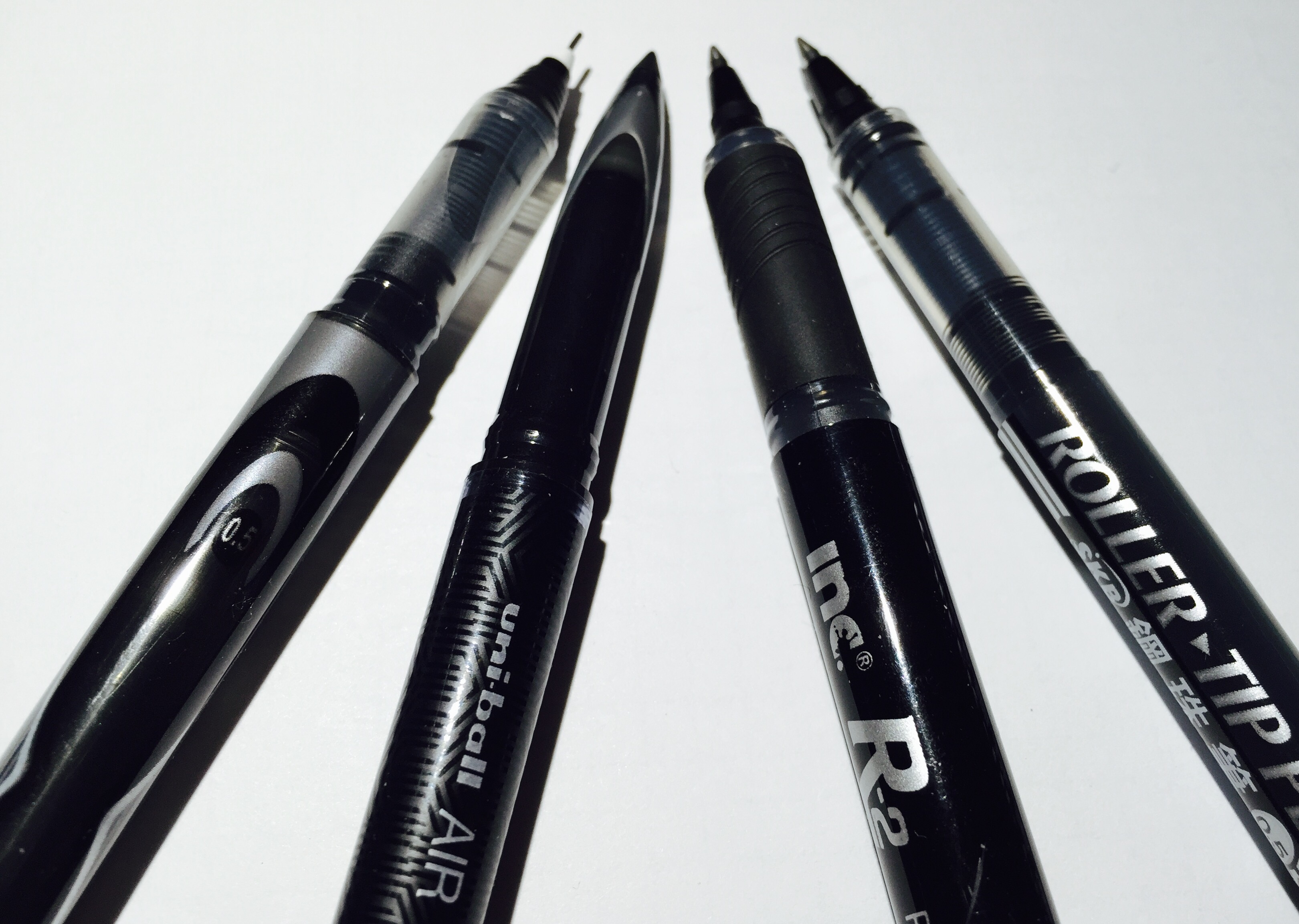
The SKB Roller Tip lays down consistent lines, has a rich black ink, and is moderately comfortable to hold. The ink does smears some, though not excessively for a rollerball pen. Overall, it might be the best disposable rollerball pen I’ve reviewed so far. It’s better than the uni-ball Air or the BIC Triumph 537R for sure, but it’s not as if the SKB Roller Tip blows those pens out of the water.

img_3364

As with SKBs other products (e.g. the Soft Ink SB-1000, the Click Ball, and the V6), you’ll need to find the Roller Tip online if you want to purchase it in the U.S. And it might be even be worth hunting down. Just be sure not to expect anything beyond what it is; a good disposable pen.

img_3362